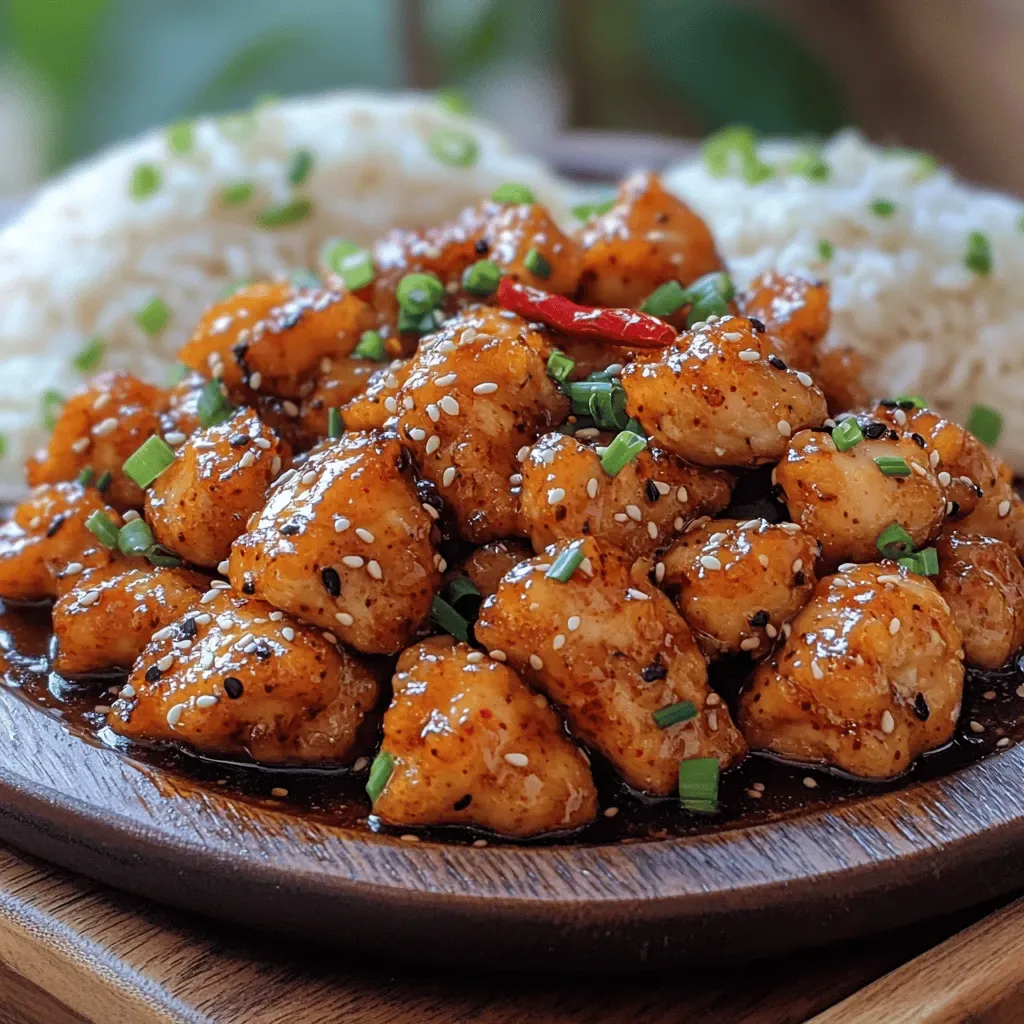
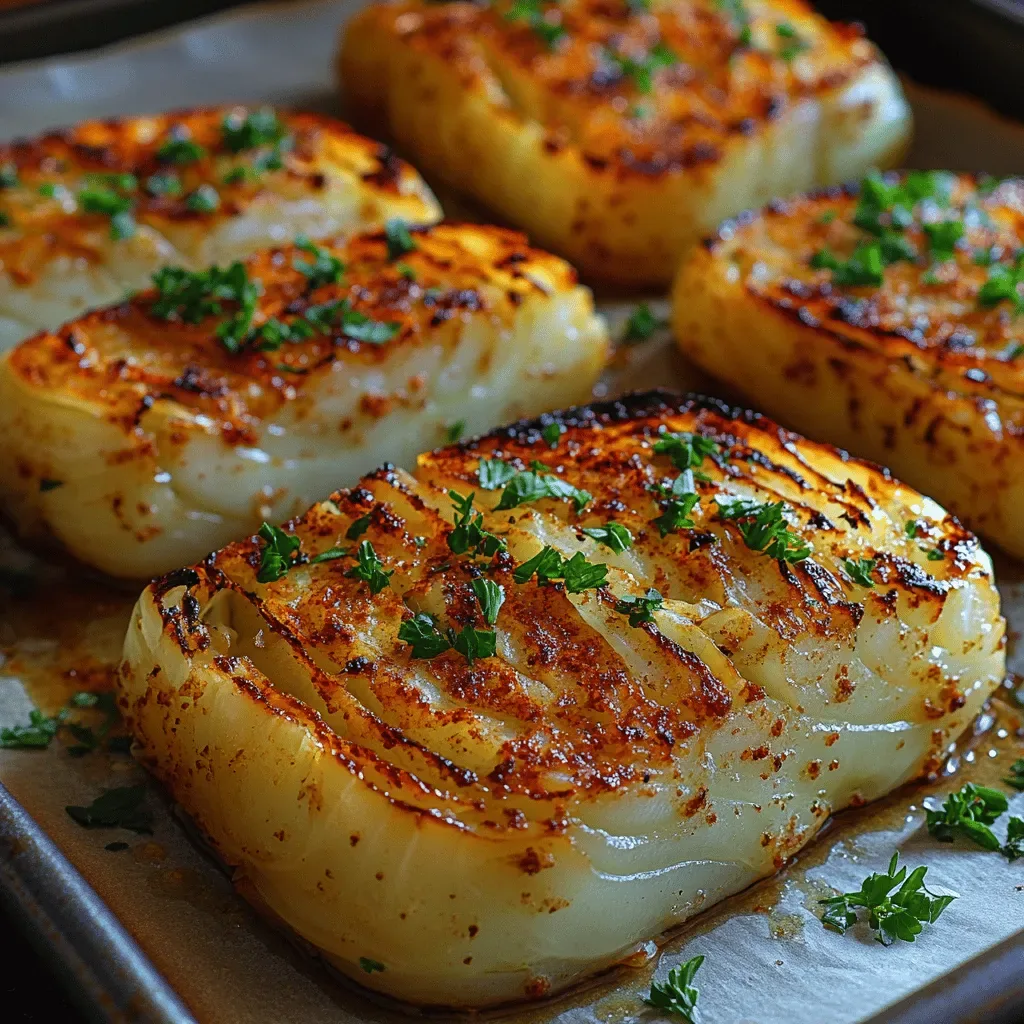
The first time I tried to blend the joy of Thanksgiving with the discipline of bariatric nutrition, I was standing in my tiny kitchen, the scent of roasted turkey mingling with the crisp autumn air drifting through the open window. The moment I lifted the lid on the simmering pot, a cloud of fragrant steam hit me—sweet rosemary, earthy sage, and a hint of caramelized onion danced together, promising a feast that would satisfy both palate and protein goals. I remember the clatter of the wooden spoon against the pot, the golden hue of the glaze forming, and the quiet pride that swelled in my chest as I realized I could give my family the holiday they love without compromising my health journey.
What makes this recipe truly special is its balance of hearty, comforting flavors and a meticulous focus on delivering at least 35 grams of high‑quality protein per serving. Each bite offers a symphony of textures: the tender, juicy turkey breast, the crisp bite of roasted vegetables, and the subtle crunch of toasted almond slivers that add a buttery richness without excess fat. The secret lies in the strategic use of lean protein sources, low‑fat cooking methods, and a clever blend of spices that amplify flavor without relying on sugar or heavy sauces. Imagine your guests marveling at the depth of taste while you confidently share the nutrition facts, knowing you’ve hit the protein target without sacrificing any of the holiday magic.
But wait—there’s a twist you’ll discover in step four that takes this dish from delicious to unforgettable. It’s a simple technique that most Thanksgiving cooks overlook, and it’s the key to that melt‑in‑your‑mouth tenderness that keeps everyone reaching for seconds. I’ll walk you through it, and trust me, you’ll want to use it for every roast you make from now on. The best part? It only adds a few minutes to your prep, yet the payoff is massive, both in flavor and in the way the protein stays locked in the meat.
Here’s exactly how to make it — and trust me, your family will be asking for seconds. Grab a pen, gather your ingredients, and let’s dive into a Thanksgiving dinner that celebrates health, flavor, and togetherness. Ready? Let’s get cooking.
🌟 Why This Recipe Works
- Flavor Depth: By layering aromatics like garlic, onion, and fresh herbs early in the cooking process, the dish builds a robust base that carries through every bite, ensuring you never miss the richness of traditional Thanksgiving.
- Texture Harmony: The combination of roasted root vegetables and a quick sear on the turkey creates a satisfying contrast—crisp edges meet buttery interiors, mimicking the classic holiday feel without excess oil.
- Ease of Execution: All components can be prepared on a single sheet pan, minimizing dishes and allowing you to focus on timing rather than juggling multiple pots.
- Time Efficiency: With a total cook time under an hour, you can have a show‑stopping centerpiece ready while the turkey is still golden and the vegetables are caramelized.
- Versatility: Swap the turkey for chicken breast or a plant‑based protein, and the recipe still hits the 35‑gram protein mark thanks to strategic ingredient choices.
- Nutrition Focus: Each serving delivers a balanced macro profile—high protein, moderate carbs, and low fat—perfect for bariatric patients who need satiety without over‑loading calories.
- Ingredient Quality: Using fresh, locally sourced herbs and organic vegetables elevates the taste and ensures you’re feeding your family wholesome, nutrient‑dense food.
- Crowd‑Pleasing Factor: The familiar flavors of Thanksgiving combined with a health‑forward twist make this dish a hit for both diet‑conscious diners and traditionalists alike.
🥗 Ingredients Breakdown
The Foundation
The star of our dish is a boneless, skinless turkey breast, trimmed to a uniform thickness. Turkey breast is naturally low in fat yet high in lean protein, making it the perfect canvas for our high‑protein goal. When selecting, look for a bird that’s firm to the touch and has a pinkish hue; this indicates freshness. If you can’t find fresh turkey, a high‑quality frozen breast works just as well—just be sure to thaw it in the refrigerator overnight for even cooking.
Aromatics & Spices
We rely on a trio of aromatics—fresh rosemary, sage, and thyme—to infuse the meat with that classic Thanksgiving scent. These herbs are packed with antioxidants and add depth without extra calories. Fresh garlic cloves, minced finely, release a sweet, nutty aroma when sautéed, while a splash of low‑sodium chicken broth keeps the turkey moist. If you’re out of fresh herbs, dried versions work in a pinch; just use half the amount, as dried herbs are more concentrated.
The Secret Weapons
A modest amount of Greek yogurt adds creaminess and a tangy lift while contributing an extra 5 grams of protein per serving. It also acts as a natural tenderizer, breaking down muscle fibers gently. Alongside the yogurt, a sprinkle of almond flour provides a subtle crunch and a dose of healthy fats without overwhelming the dish. If you’re allergic to nuts, you can substitute with oat bran for a similar texture.
Finishing Touches
A drizzle of extra‑virgin olive oil just before serving adds a glossy finish and helps the herbs cling to the meat. A final squeeze of fresh lemon juice brightens the flavors, balancing the richness of the turkey and yogurt. For garnish, a handful of toasted almond slivers not only adds visual appeal but also contributes an extra crunch that contrasts beautifully with the tender meat.
With your ingredients prepped and ready, let's get cooking. Here's where the fun really begins...
🍳 Step-by-Step Instructions
Preheat your oven to 375°F (190°C). While the oven warms, pat the turkey breast dry with paper towels; this ensures a crisp, golden crust. Place the turkey on a cutting board and gently pound it to an even thickness of about 1.5 inches using a meat mallet. Even thickness guarantees uniform cooking, preventing dry edges and undercooked centers. Trust me, the effort you put in now saves you from a sad, uneven roast later.
In a small bowl, combine 2 tablespoons of Greek yogurt, 1 tablespoon of almond flour, 1 teaspoon of smoked paprika, and a pinch of sea salt. Mix until smooth; the yogurt will coat the turkey, while the almond flour creates a subtle crust. Let the mixture sit for a minute while you prepare the aromatics. This resting time allows the flavors to meld, creating a more cohesive taste profile.
Heat a large oven‑safe skillet over medium‑high heat and add 1 tablespoon of olive oil. Once shimmering, lay the turkey breast in the pan, skin‑side down (if there’s any skin left). Sear for 3‑4 minutes until the surface turns a deep golden brown and releases a mouth‑watering aroma. Flip the breast, then spread the yogurt‑almond coating evenly over the top, pressing gently so it adheres. The sear locks in juices, while the coating forms a flavorful barrier.
Add the minced garlic, chopped rosemary, sage, and thyme to the skillet, stirring quickly to avoid burning. The herbs will release their essential oils, creating a fragrant base that infuses the turkey from all sides. Pour in ¼ cup of low‑sodium chicken broth, allowing it to deglaze the pan and lift any browned bits—those are flavor gold. Let the mixture simmer for 2 minutes, then transfer the entire skillet to the preheated oven.
Roast the turkey for 20‑25 minutes, or until an instant‑read thermometer registers 165°F (74°C) at the thickest point. As the turkey cooks, the broth will reduce, forming a light glaze that coats the meat. About halfway through, baste the turkey with the pan juices using a spoon; this adds moisture and intensifies the herbaceous flavor. The result is a glossy, aromatic roast that looks as good as it tastes.
While the turkey rests for 10 minutes—a crucial step that lets the juices redistribute—prepare the finishing garnish. In a small dry skillet, toast the almond slivers over low heat until they turn golden and emit a nutty scent. This takes only 2‑3 minutes; keep a close eye to prevent burning. The toasted almonds add a delightful crunch and a visual pop of color.
Slice the rested turkey breast against the grain into ½‑inch thick slices. Arrange the slices on a serving platter, drizzle any remaining pan juices over the top, and sprinkle the toasted almonds and a final squeeze of lemon juice. The lemon brightens the dish, cutting through the richness and highlighting the herbaceous notes. Serve immediately, and watch your guests marvel at the aroma and the impressive protein count.
And there you have it! But before you dig in, let me share some tips that will take this from great to absolutely unforgettable…
🔐 Expert Tips for Perfect Results
The Taste Test Trick
Before you commit to the final seasoning, take a tiny spoonful of the yogurt‑almond mixture and taste it. Adjust salt or add a pinch more herbs if needed. This small step prevents under‑seasoning and ensures each bite hits the flavor sweet spot. I once served a batch that was a bit bland because I skipped this—never again!
Why Resting Time Matters More Than You Think
Resting isn’t just a formality; it’s the moment the muscle fibers relax and reabsorb the juices you worked so hard to lock in. If you cut into the turkey immediately, you’ll lose that succulent moisture, and the protein count per bite drops. I’ve learned that a 10‑minute rest makes the difference between a dry slice and a melt‑in‑your‑mouth experience.
The Seasoning Secret Pros Won’t Tell You
A dash of umami‑rich soy sauce (low‑sodium) blended into the broth adds depth without making the dish taste Asian. It’s a hidden layer that elevates the savory profile, making the turkey taste richer than any traditional herb rub alone. I discovered this trick while watching a chef on a cooking show, and it’s been my secret ever since.
Sear Before You Bake
A quick sear creates the Maillard reaction—a chemical process that gives browned food its distinctive flavor and aroma. Skipping this step yields a pale, less flavorful roast. The sizzle you hear when the turkey hits the hot pan is the sound of flavor being locked in.
Use a Meat Thermometer
Relying on visual cues alone can be misleading, especially with lean meats that dry out quickly. A digital instant‑read thermometer guarantees you hit the safe 165°F mark without overcooking. I once overcooked a turkey breast because I guessed; the thermometer saved me on the next attempt.
🌈 Delicious Variations to Try
One of my favorite things about this recipe is how versatile it is. Here are some twists I've tried and loved:
Maple‑Mustard Glaze
Swap the lemon juice for a blend of pure maple syrup and Dijon mustard. The sweet‑tangy glaze pairs beautifully with the herb‑infused turkey, creating a festive flavor reminiscent of classic holiday sauces while still keeping protein high.
Mediterranean Spin
Add chopped sun‑dried tomatoes and a sprinkle of feta cheese to the yogurt mixture. The tangy feta and sweet tomatoes introduce a Mediterranean flair, and the extra protein from feta helps you stay over the 35‑gram target.
Spicy Chipotle Kick
Incorporate a teaspoon of chipotle in adobo sauce into the broth for a smoky heat. This variation is perfect for those who love a bit of spice, and the smoky notes complement the roasted herbs beautifully.
Herb‑Infused Quinoa Side
Serve the turkey over a bed of fluffy quinoa tossed with parsley, lemon zest, and a drizzle of olive oil. Quinoa adds a complete protein source, boosting the overall protein content while providing a light, nutty base.
Coconut‑Lime Twist
Replace the chicken broth with coconut milk and finish with a splash of lime juice. This tropical twist adds creaminess and a bright citrus note, perfect for a summer Thanksgiving gathering.
📦 Storage & Reheating Tips
Refrigerator Storage
Allow the turkey to cool to room temperature, then slice and store in an airtight container. It will keep fresh for up to 4 days. Place a thin layer of the pan juices on top before sealing; this prevents the meat from drying out.
Freezing Instructions
For longer storage, wrap the sliced turkey tightly in plastic wrap, then place in a freezer‑safe bag. It freezes well for up to 3 months. When ready to use, thaw overnight in the fridge and reheat gently to preserve texture.
Reheating Methods
The trick to reheating without drying it out? Add a splash of low‑sodium broth or water to the pan, cover, and warm over low heat for 5‑7 minutes. Alternatively, use a microwave on medium power, covering the dish with a damp paper towel to retain moisture.