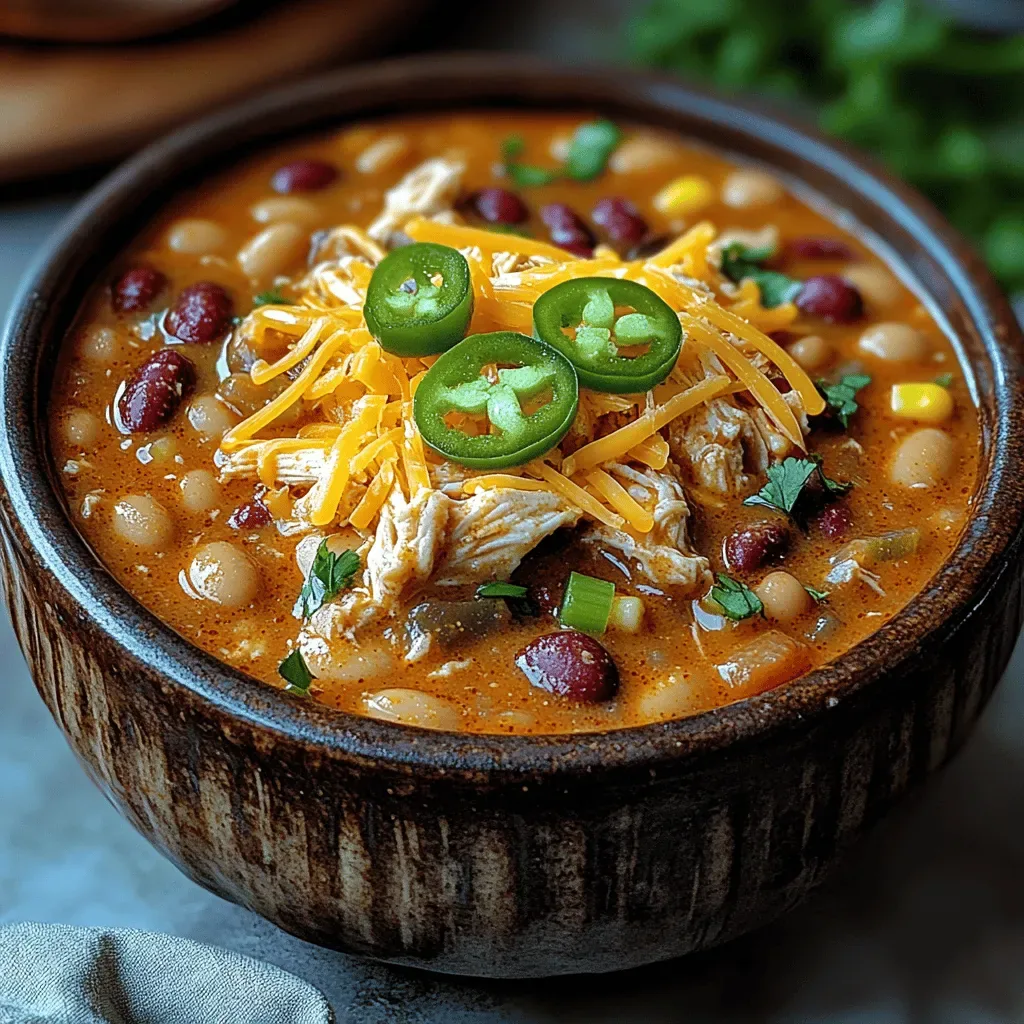
It was a humid Saturday evening in late summer, the kind of night when the cicadas start their chorus and the kitchen becomes the only place you can escape the sticky air. I was rummaging through the pantry, trying to decide whether to order takeout or whip something up with the few ingredients I had on hand. That moment, I grabbed a can of coconut milk that had been waiting patiently for a recipe that could celebrate its creamy richness, and the idea of Coconut Chicken was born. The moment I lifted the lid of the simmering pot, a cloud of fragrant steam hit me – a warm, sweet perfume of ginger, turmeric, and toasted spices that instantly made my mouth water.
What makes this dish feel like a hug from an old friend is the way the coconut milk coats each piece of chicken in a velvety sauce that’s both comforting and exotic. The subtle heat from red pepper flakes dances with the bright zing of lime juice, while the fresh cilantro adds a burst of herbaceous freshness at the very end. I remember serving this to my family for the first time, watching my teenage son’s eyes widen as he took his first bite and declared it “the best thing I’ve ever tasted.” That reaction was the spark that turned this humble experiment into a staple on our dinner table, and now I’m eager to share every nuance of the recipe with you.
You might be wondering why a simple combination of chicken and coconut milk can feel so luxurious, and the secret lies in the layering of flavors and textures. Each step builds on the last – from browning the chicken to release its caramelized notes, to sautéing aromatics that fill the kitchen with an intoxicating aroma, to the gentle simmer that melds everything together into a silky sauce. But wait until you see the secret trick in step four, where a splash of lime juice does more than just add acidity; it balances the richness in a way you’ll remember for years.
Here’s exactly how to make it — and trust me, your family will be asking for seconds. Grab a sturdy skillet, gather the ingredients, and prepare to embark on a culinary journey that will transform an ordinary weeknight into a celebration of flavor. Ready? Let’s dive into the magic that happens when chicken meets coconut, and discover why this recipe has become a beloved favorite in my home.
🌟 Why This Recipe Works
- Flavor Depth: The combination of turmeric, cumin, and paprika creates a warm, earthy backbone that pairs beautifully with the sweet creaminess of coconut milk, delivering a multilayered taste experience that feels both familiar and exotic.
- Texture Harmony: Browning the chicken first gives it a satisfying crust, while the simmering sauce keeps the meat juicy and tender, ensuring every bite offers a perfect contrast of crisp and silky.
- Ease of Execution: Despite its complex flavor profile, the recipe requires only one pan and a handful of pantry staples, making it approachable for cooks of any skill level.
- Time Efficiency: With a prep time of just fifteen minutes and a cooking window of thirty, you can have a restaurant‑quality dish on the table before the kids finish their homework.
- Versatility: The base sauce is a canvas that welcomes additions like spinach, bell peppers, or even pineapple, allowing you to customize the dish to suit seasonal produce or personal cravings.
- Nutrition Boost: Coconut milk provides healthy fats that help absorb fat‑soluble vitamins, while the spices contribute antioxidants, making the meal both indulgent and nourishing.
- Crowd‑Pleasing Factor: The subtle heat, bright acidity, and aromatic herbs create a balanced profile that appeals to both adventurous eaters and those who prefer milder flavors.
🥗 Ingredients Breakdown
The Foundation: Chicken & Coconut Milk
The star of the show is either boneless, skinless chicken breasts or thighs; I prefer thighs because their higher fat content keeps the meat moist during the simmer. The coconut milk, full‑fat and unflavored, is the silky canvas that carries the spices and creates a luscious sauce. If you’re looking for a lighter version, you can swap half of the coconut milk for low‑fat coconut milk, but expect a thinner sauce. When choosing coconut milk, shake the can well before opening to ensure the creamy layer is evenly distributed.
Aromatics & Spices: Building the Flavor Base
Onions, garlic, and ginger form the aromatic trio that instantly awakens the palate; the onion adds sweetness, garlic brings depth, and ginger contributes a bright, peppery zing. Turmeric not only gives the dish its golden hue but also adds an earthy bitterness that balances the coconut’s sweetness. Cumin and paprika round out the spice profile with warm, smoky notes, while red pepper flakes provide an optional kick that you can adjust to taste. Remember, fresh ginger beats powdered ginger any day – it’s more fragrant and adds a subtle heat that’s hard to replicate.
The Secret Weapons: Lime & Soy
A splash of lime juice at the end of cooking brightens the entire dish, cutting through the richness of the coconut and lifting the flavors. Soy sauce, or its gluten‑free cousin coconut aminos, adds umami depth and a subtle saltiness that ties all the components together. If you’re avoiding soy, a dash of fish sauce works wonders, but keep it minimal to let the coconut shine. The balance of acidity and salt is crucial – too much lime will make the sauce sour, while too little leaves it flat.
Finishing Touches: Greens & Garnish
A handful of fresh spinach leaves can be tossed in during the last minutes of simmering, adding a pop of color and a dose of iron without overwhelming the sauce. Fresh cilantro or parsley, chopped just before serving, adds a fragrant herbaceous note that contrasts the creamy base. Lime wedges on the side let each diner adjust the acidity to their liking, and they also add a beautiful visual garnish. When selecting herbs, look for vibrant green leaves without any yellowing – that’s a sign of freshness.
With your ingredients prepped and ready, let's get cooking. Here's where the fun really begins...
🍳 Step-by-Step Instructions
-
Pat the chicken pieces dry with paper towels and season both sides generously with salt and pepper. Heat the tablespoon of olive oil in a large, heavy‑bottomed skillet over medium‑high heat until it shimmers. Carefully place the chicken in the pan, making sure not to crowd the pieces, and let them sear undisturbed for about 4‑5 minutes until a deep golden crust forms.
Flip the chicken and sear the other side for another 3‑4 minutes. You’ll hear a satisfying sizzle that signals the Maillard reaction is working its magic, creating those caramelized edges we love. Once both sides are browned, remove the chicken to a plate and set aside – it will finish cooking in the sauce later.
-
Reduce the heat to medium and add the diced onion to the same skillet, stirring to coat it in the leftover oil and browned bits (fond). Cook the onion for 3‑4 minutes until it turns translucent and starts to soften, releasing its natural sweetness.
Add the minced garlic and grated ginger, stirring constantly for about 30 seconds. You’ll notice the aroma shift instantly – a fragrant, slightly sharp scent that tells you the aromatics are blooming. Be careful not to let the garlic brown; it should stay golden and fragrant.
💡 Pro Tip: If the pan looks dry, splash in a splash of chicken broth to deglaze and prevent sticking. -
Stir in the turmeric, ground cumin, paprika, and optional red pepper flakes, coating the onion‑garlic mixture thoroughly. Let the spices toast for about a minute, stirring constantly – you’ll see them become more aromatic and the mixture will take on a richer color.
At this point, the kitchen should be filled with an intoxicating blend of earthy, smoky, and slightly sweet aromas, a clear sign that the flavor foundation is set. This step is where the dish earns its depth, so resist the urge to rush it.
-
Pour in the full‑fat coconut milk and chicken broth, using a wooden spoon to scrape up any browned bits from the bottom of the pan. These bits, known as fond, are flavor gold and will enrich the sauce dramatically.
Bring the mixture to a gentle simmer, then reduce the heat to low. Allow the sauce to bubble softly for 5‑7 minutes, stirring occasionally, until it thickens slightly and the spices are fully incorporated.
⚠️ Common Mistake: Letting the sauce boil vigorously can cause the coconut milk to separate, resulting in a grainy texture. Keep the heat low and watch the surface for gentle bubbles. -
Return the browned chicken to the skillet, nestling each piece into the sauce. Add the tablespoon of lime juice and the soy sauce (or coconut aminos) at this stage, stirring gently to coat the chicken evenly.
Cover the pan and let everything simmer for another 12‑15 minutes, or until the chicken is cooked through and reaches an internal temperature of 165°F (74°C). The sauce will continue to thicken, and the chicken will absorb the aromatic flavors.
-
If you’re using fresh spinach, stir it in now and let it wilt for about 2 minutes. The spinach will add a burst of color and a subtle earthiness without overpowering the coconut base.
Taste the sauce and adjust seasoning with additional salt, pepper, or a squeeze of lime if you desire more brightness. This is the moment to fine‑tune the balance – trust your palate.
-
Turn off the heat and sprinkle the chopped cilantro or parsley over the top. The herbaceous garnish adds a fresh, aromatic finish that lifts the entire dish.
Cover the skillet loosely with foil and let the dish rest for 5 minutes. Resting allows the flavors to meld even further, and the sauce will settle into a glossy sheen.
💡 Pro Tip: A short rest period after cooking is the secret behind restaurant‑style sauces that taste richer the second time you taste them. -
Serve the Coconut Chicken over steamed jasmine rice, quinoa, or cauliflower rice for a low‑carb option. Spoon generous amounts of the sauce over the grains to soak up every drop of flavor.
Place lime wedges on the side for diners to add an extra burst of acidity if they wish. The combination of creamy sauce, tender chicken, and fragrant rice creates a comforting bowl that feels both exotic and homey.
-
Gather everyone around the table, watch the steam rise, and hear the delighted murmurs as the first spoonful hits the palate. Trust me on this one: the moment the sauce touches the tongue, you’ll understand why this recipe has become a family favorite.
And there you have it! But before you dig in, let me share some tips that will take this from great to absolutely unforgettable...
🔐 Expert Tips for Perfect Results
The Taste Test Trick
Before you finish cooking, take a tiny spoonful of the sauce and let it cool for a few seconds. This pause lets your palate detect subtle imbalances – a pinch more salt, a dash more lime, or an extra pinch of red pepper flakes. I once served the dish to a friend who claimed it was perfect, only to realize I had missed a tiny splash of lime that would have brightened the entire sauce. Trust your senses, not just the recipe, and adjust accordingly.
Why Resting Time Matters More Than You Think
Allowing the dish to rest for five minutes after removing it from heat isn’t just about convenience; it gives the coconut fat time to re‑emulsify, resulting in a sauce that clings to the chicken like a silky veil. Skipping this step can leave the sauce looking watery and the flavors slightly disjointed. I’ve seen novices rush to the table and end up with a thin broth – a simple rest makes all the difference.
The Seasoning Secret Pros Won’t Tell You
Professional chefs often finish a sauce with a small knob of butter or a drizzle of coconut oil to round out the mouthfeel. In this recipe, the natural fat from the coconut milk does most of the work, but a teaspoon of melted ghee added at the very end can add an extra layer of richness that’s almost imperceptible yet deeply satisfying. It’s a subtle trick that elevates the dish from home‑cooked to restaurant‑worthy.
Choosing the Right Pan
A heavy‑bottomed skillet, such as cast iron or stainless steel with an aluminum core, distributes heat evenly and prevents hot spots that can scorch the coconut milk. If you use a thin non‑stick pan, the sauce may stick and burn, leading to a bitter aftertaste. I once tried this recipe in a cheap aluminum pan and ended up with a scorched bottom – the lesson? Invest in a good pan and the sauce will thank you.
Balancing Heat and Sweetness
If you love a spicier profile, add an extra pinch of red pepper flakes or a dash of sriracha when the sauce is simmering. Conversely, if the heat feels too aggressive, a teaspoon of honey or a splash of pineapple juice can mellow it without sacrificing the coconut’s natural sweetness. This balancing act is where your personal taste shines through, turning a recipe into your signature dish.
🌈 Delicious Variations to Try
One of my favorite things about this recipe is how versatile it is. Here are some twists I've tried and loved:
Tropical Pineapple Punch
Add one cup of fresh pineapple chunks during the last five minutes of simmering. The pineapple’s natural acidity complements the lime while its sweetness amplifies the coconut’s creaminess, creating a bright, island‑inspired flavor profile that transports you to a beachside shack.
Green Curry Fusion
Swap the turmeric and paprika for a tablespoon of green curry paste, and stir in a handful of chopped Thai basil. This variation introduces a herbaceous, slightly sweet heat that pairs perfectly with the coconut base, turning the dish into a fragrant Thai‑inspired masterpiece.
Spicy Peanut Crunch
Stir in two tablespoons of creamy peanut butter and a splash of sriracha after the sauce has thickened. The peanut butter adds a nutty richness, while the sriracha brings a smoky heat, creating a delightful contrast of textures and flavors reminiscent of a satay sauce.
Creamy Cashew Cream
Blend half a cup of soaked cashews with a bit of water to create a smooth cashew cream, then swirl it into the sauce just before serving. This addition boosts the sauce’s thickness and adds a subtle buttery note, making the dish even more indulgent without altering the core flavors.
Roasted Veggie Medley
Roast a mix of bell peppers, carrots, and zucchini with a drizzle of olive oil, salt, and pepper, then add them to the skillet during the final simmer. The caramelized vegetables lend a sweet earthiness that complements the coconut sauce and turns the dish into a complete, one‑pan meal.
📦 Storage & Reheating Tips
Refrigerator Storage
Allow the Coconut Chicken to cool to room temperature for no more than two hours before transferring it to an airtight container. It will keep beautifully in the fridge for up to four days, and the flavors actually deepen after a night’s rest. When reheating, add a splash of chicken broth or coconut milk to revive the sauce’s silky texture.
Freezing Instructions
Portion the cooked chicken and sauce into freezer‑safe bags or containers, leaving a little headspace for expansion. Freeze for up to three months. To defrost, move the bag to the refrigerator overnight, then reheat gently on the stovetop over low heat, stirring occasionally and adding a drizzle of liquid if needed.
Reheating Methods
The best way to reheat without drying out the chicken is to use a low simmer on the stovetop, covered, and stir in a tablespoon of coconut milk or broth halfway through. In a microwave, cover the dish with a damp paper towel and heat in 30‑second intervals, stirring each time. The key is gentle heat; high temperatures can cause the coconut fat to separate, leaving a grainy texture.