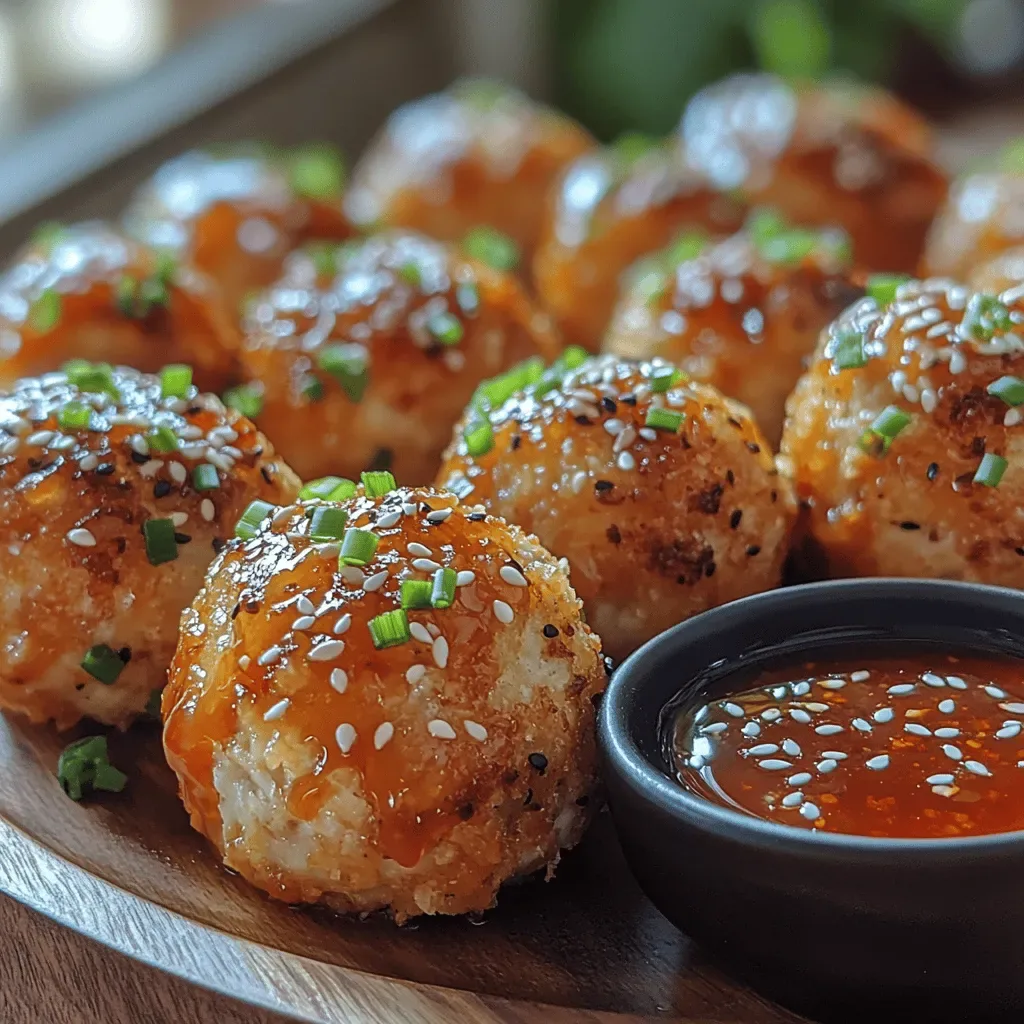
It was a sweltering Saturday in July, the kind of day when the kitchen feels like a sanctuary and the scent of something tropical can instantly transport you to a beachside luau. I remember standing at the stove, the sun streaming through the window, and the moment I opened a can of pineapple juice the aroma of sweet, caramel‑kissed fruit mingled with the faint tang of soy sauce, instantly making my mouth water. The sizzle of chicken hitting the hot pan was like a drumroll announcing a delicious performance, and I could already hear the faint clink of rice grains as they began to cook in the broth. That was the first time I tried this Hawaiian Pineapple Chicken & Rice, and the memory still makes my heart flutter every time I think about it.
What makes this dish unforgettable is the perfect marriage of savory and sweet, the way the chicken stays juicy while the pineapple adds a burst of sunshine in every bite. Imagine a plate where the rice is fluffy and fragrant, the chicken is caramelized to a golden‑brown perfection, and the pineapple pieces glisten with a glossy glaze that clings to every morsel. The colors alone—golden chicken, vibrant red pepper, bright yellow pineapple, and the soft white rice—create a visual feast that begs to be photographed before you dive in. Have you ever wondered why restaurant versions of Hawaiian chicken taste so distinct? The secret lies in balancing the acidity of the pineapple with the umami depth of soy and the gentle heat of ginger, a balance we’ll explore together.
But there’s more to this recipe than just flavor. It’s a one‑pan wonder that saves you time on cleanup, a dish that can be whipped up on a weeknight yet feels special enough for a weekend gathering, and it’s packed with nutrients that keep you feeling satisfied without the heaviness of a typical take‑out. The best part? You can customize it to suit any palate—add a splash of hot sauce for heat, swap the rice for quinoa for a protein boost, or even toss in some cashews for crunch. Trust me, once you’ve tasted the harmony of sweet pineapple and savory chicken, you’ll be reaching for this recipe again and again.
Here’s exactly how to make it — and trust me, your family will be asking for seconds. I’ll walk you through every step, from picking the perfect pineapple to mastering the rice’s fluffy texture, and I’ll sprinkle in a few insider tricks that I’ve learned over the years. By the end, you’ll not only have a plate of mouth‑watering Hawaiian Pineapple Chicken & Rice, but also a toolbox of tips that will elevate all your future meals. Ready to dive in? Let’s get started.
🌟 Why This Recipe Works
- Flavor Depth: The combination of soy sauce, honey, and brown sugar creates a layered glaze that is simultaneously salty, sweet, and slightly caramelized, ensuring each bite is a burst of complex taste. The pineapple’s natural acidity cuts through the richness of the chicken, keeping the palate refreshed.
- Texture Harmony: The chicken pieces get a beautiful sear on the outside while staying tender inside, and the pineapple adds a juicy pop that contrasts delightfully with the soft, fluffy rice. The occasional crunch from red bell pepper adds a satisfying bite.
- Ease of Preparation: All components cook in a single skillet or Dutch oven, meaning you spend less time juggling pots and more time enjoying the process. The steps are straightforward, perfect for both beginners and seasoned cooks.
- Time Efficiency: With a prep time of just 15 minutes and a cook time of 30 minutes, you can have a restaurant‑quality meal on the table in under an hour, ideal for busy weeknights.
- Versatility: This dish can be served over traditional white rice, brown rice, quinoa, or even cauliflower rice for a low‑carb twist. You can also swap chicken for pork or tofu, making it adaptable to dietary preferences.
- Nutrition Boost: Pineapple provides vitamin C and bromelain, which aids digestion, while chicken offers lean protein. The dish balances carbs, protein, and a modest amount of healthy fats from the oil and sesame seeds.
- Crowd‑Pleasing Factor: The sweet‑savory profile appeals to both kids and adults, making it a reliable go‑to for family dinners, potlucks, or casual gatherings.
🥗 Ingredients Breakdown
The Foundation: Rice & Liquid
Long‑grain white rice is the classic canvas for this dish because its neutral flavor lets the pineapple‑soy glaze shine. When you rinse the rice before cooking, you remove excess starch, which helps keep each grain separate and fluffy. If you prefer a nuttier profile, substitute with jasmine rice for its fragrant aroma, or try brown rice for added fiber, but remember to adjust the liquid ratio accordingly. The chicken broth replaces plain water, infusing the rice with savory depth that complements the sweet glaze.
Aromatics & Spices: Building the Base
Garlic and ginger are the dynamic duo that give the dish its unmistakable Asian‑inspired backbone. Freshly minced garlic releases a pungent, almost buttery aroma when sautéed, while grated ginger adds a zingy warmth that balances the sweetness of pineapple. A small diced onion contributes subtle sweetness and a bit of caramelization as it softens. Together, they create a fragrant foundation that makes the kitchen smell like a tropical market.
The Secret Weapons: Sweet‑Savory Glaze
Soy sauce provides the salty umami that anchors the flavor, while honey and brown sugar introduce caramel notes that turn the glaze into a sticky, glossy coating. The pineapple chunks themselves release natural juices that blend with the soy‑honey mixture, creating a sauce that is both tangy and sweet. A splash of cornstarch slurry toward the end thickens the glaze without making it gummy, ensuring it clings perfectly to each piece of chicken and rice.
Finishing Touches: Color, Crunch, and Freshness
Red bell pepper adds a crunchy bite and a pop of color that makes the plate visually inviting. Green onions and toasted sesame seeds are sprinkled on top just before serving, offering a fresh, slightly peppery finish and a nutty aroma that elevates the dish. If you’re feeling adventurous, a handful of chopped cilantro or a drizzle of sriracha can add an extra layer of complexity.
With your ingredients prepped and ready, let's get cooking. Here's where the fun really begins…
🍳 Step-by-Step Instructions
-
Heat the vegetable oil in a large skillet or Dutch oven over medium‑high heat until it shimmers. Add the chicken pieces, spreading them out in a single layer, and let them sear without moving for about 3‑4 minutes. You’ll hear a satisfying sizzle, and the edges will turn a deep golden brown, releasing a mouth‑watering aroma that fills the kitchen.
💡 Pro Tip: Pat the chicken dry with paper towels before seasoning; excess moisture will steam rather than sear, preventing that coveted crust. -
Season the chicken with a pinch of salt and pepper, then flip and brown the other side for another 2‑3 minutes. Once both sides are nicely caramelized, remove the chicken and set it aside on a plate. The pan will be left with flavorful browned bits—those are pure gold for the sauce.
-
In the same pan, reduce the heat to medium and add the diced onion, minced garlic, and grated ginger. Stir constantly for about 2 minutes, or until the onion becomes translucent and the mixture releases a fragrant, slightly sweet perfume. This is the moment you’ll start to feel the kitchen transform into a tropical oasis.
-
Add the sliced red bell pepper and continue sautéing for another minute, just until the pepper softens but still retains a little crunch. The bright red color will start to contrast beautifully with the golden chicken you set aside.
💡 Pro Tip: If you love a bit of heat, toss in a pinch of red pepper flakes now; they’ll infuse the sauce without overwhelming the pineapple’s sweetness. -
Return the chicken to the pan, then pour in the soy sauce, honey, brown sugar, and pineapple chunks (including any juice if using fresh). Stir everything together, allowing the sauce to come to a gentle boil. As the mixture bubbles, you’ll notice the pineapple juices melding with the soy‑honey blend, creating a glossy, amber‑colored glaze.
-
Stir in the cornstarch slurry (1 tsp cornstarch mixed with 2 tsp water) and let the sauce thicken for about 2 minutes. You’ll see the glaze coat the chicken and pineapple like a silky veil, and the aroma will become even more intoxicating. This step is crucial for achieving that restaurant‑style cling.
⚠️ Common Mistake: Adding the cornstarch slurry too early can cause the sauce to become watery; always add it after the sauce has started to simmer. -
While the sauce thickens, in a separate pot, bring the chicken broth to a boil, then add the rinsed rice. Reduce the heat to low, cover, and let it simmer for 15‑18 minutes, or until the rice absorbs all the liquid and becomes tender. The broth’s savory notes will be absorbed by the rice, making each grain a flavor carrier.
-
Once the rice is cooked, fluff it with a fork and gently fold it into the skillet with the chicken and pineapple. The rice will soak up the glaze, turning a beautiful golden hue while retaining its fluffy texture. Taste and adjust seasoning with a splash more soy sauce or a pinch of salt if needed.
-
Finish the dish by sprinkling sliced green onions and toasted sesame seeds over the top. The fresh green onions add a bright, slightly sharp contrast, while the sesame seeds provide a subtle nuttiness that rounds out the flavor profile. Serve hot, and watch as your family gathers around the table, eyes widening at the vibrant colors and aromas.
💡 Pro Tip: Let the finished dish rest for 5 minutes before serving; this allows the flavors to meld even further and prevents the rice from becoming soggy.
And there you have it! But before you dig in, let me share some tips that will take this from great to absolutely unforgettable…
🔐 Expert Tips for Perfect Results
The Taste Test Trick
Before you add the final splash of soy sauce, take a tiny spoonful of the glaze and let it sit on your tongue for a few seconds. You’ll notice if it’s too salty, too sweet, or just right. Adjust with a pinch of sugar or a dash of extra soy accordingly. This simple tasting step can make the difference between good and unforgettable.
Why Resting Time Matters More Than You Think
After you’ve combined the rice with the chicken and sauce, cover the pan loosely with foil and let it sit for five minutes. This resting period lets the rice absorb any remaining glaze, resulting in a more cohesive dish where every bite is uniformly flavored. I once skipped this step and the rice tasted a bit dry; after adding the rest, the texture was perfect.
The Seasoning Secret Pros Won’t Tell You
A dash of toasted sesame oil added at the very end adds a deep, nutty aroma that you can’t achieve with regular oil. It’s a subtle addition, but it elevates the dish to a restaurant‑level finish. Just a few drops are enough; you’ll notice the difference immediately.
Balancing Sweetness with Acidity
If you find the glaze leaning too sweet for your taste, a squeeze of fresh lime juice brightens the entire dish. The citrus cuts through the richness and brings out the pineapple’s natural tang. I love adding about half a lime’s worth right before serving for that extra pop.
Choosing the Right Pineapple
Fresh pineapple provides a brighter flavor and firmer texture than canned, but if you’re short on time, opt for canned pineapple in its own juice (not syrup). Drain it well, then pat the chunks dry to avoid excess liquid diluting the sauce. The key is to ensure the pineapple pieces retain some bite after cooking.
🌈 Delicious Variations to Try
One of my favorite things about this recipe is how versatile it is. Here are some twists I’ve tried and loved:
Tropical Coconut Curry
Swap the soy sauce for a tablespoon of red curry paste and add ½ cup of coconut milk to the sauce. The creamy coconut pairs beautifully with pineapple, creating a rich, aromatic dish that feels like a vacation in a bowl.
Spicy Sriracha Kick
Stir in a tablespoon of sriracha and a teaspoon of rice vinegar after the glaze thickens. The heat from the sriracha balances the sweetness, while the vinegar adds a subtle tang that brightens the overall flavor.
Cashew Crunch
Add a handful of roasted cashews during the final stir. They contribute a buttery crunch and a nutty depth that complements the sesame seeds, making each bite more texturally interesting.
Veggie‑Heavy Version
Replace the chicken with firm tofu cubes or add extra vegetables like snap peas, carrots, and baby corn. The tofu absorbs the glaze wonderfully, and the added veggies boost the dish’s nutritional profile.
Brown Rice & Quinoa Fusion
Cook a mix of half brown rice and half quinoa in the broth for added protein and a slightly nutty flavor. This variation is perfect for those looking for a higher‑fiber, gluten‑free option without sacrificing taste.
📦 Storage & Reheating Tips
Refrigerator Storage
Allow the dish to cool to room temperature for no more than two hours, then transfer it to an airtight container. It will keep fresh in the fridge for up to four days. When reheating, add a splash of chicken broth or water to restore moisture, and gently stir to re‑coat the rice and chicken.
Freezing Instructions
Portion the cooked chicken, pineapple, and rice into freezer‑safe bags or containers, leaving a little headspace for expansion. Freeze for up to three months. To reheat, thaw overnight in the refrigerator, then warm in a skillet over medium heat, adding a bit more broth if needed to prevent drying.
Reheating Methods
The microwave works in a pinch—cover the dish with a damp paper towel and heat in 30‑second intervals, stirring between each, until steaming hot. For the best texture, reheat on the stovetop: place the leftovers in a skillet, add a tablespoon of broth, and cover for a few minutes, allowing the steam to revive the rice’s fluffiness.