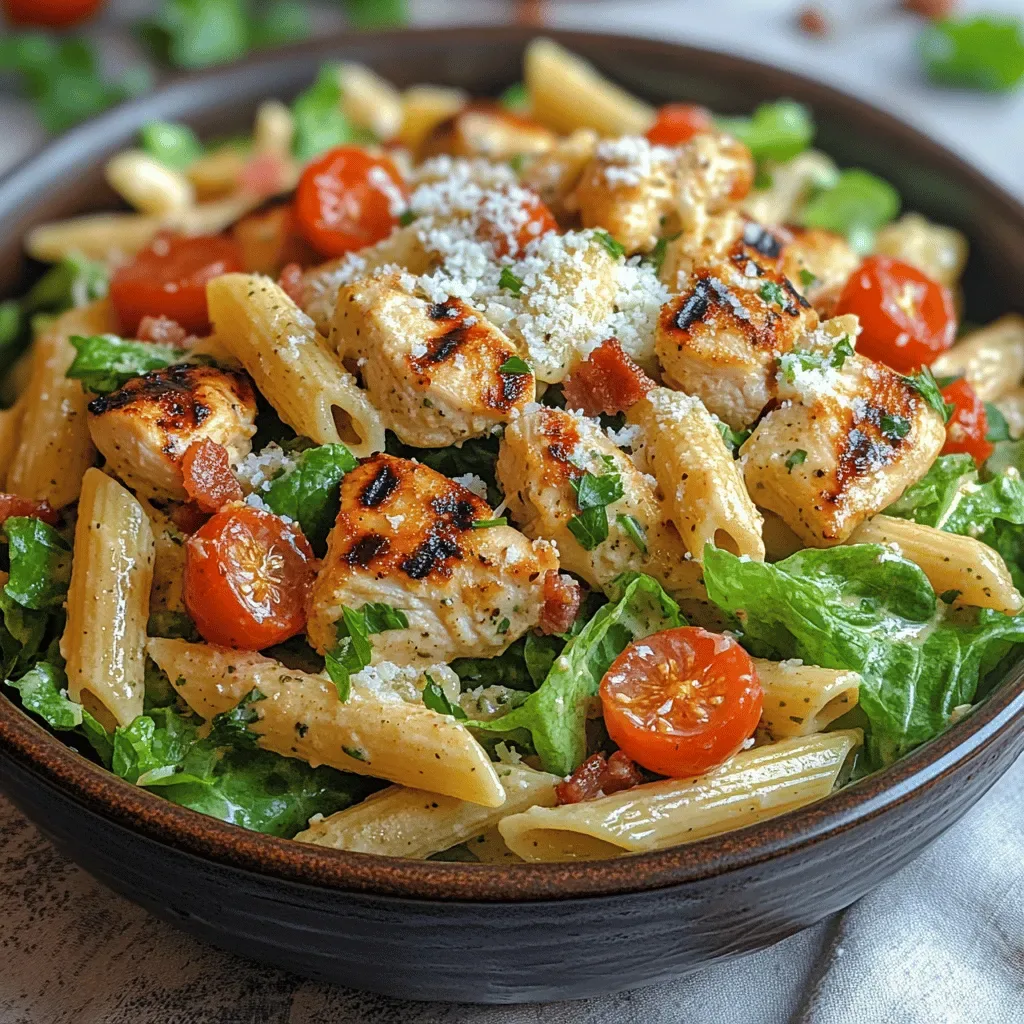
It was one of those crisp March mornings when the sunlight slipped through the kitchen curtains just enough to turn the countertops into a golden stage. I was humming an old folk tune while the kettle sang its high‑pitched whistle, and the scent of fresh garden greens drifted in from the open window, promising the first true taste of spring. I remember reaching for a handful of spinach that had been rescued from the fridge the night before, its deep emerald leaves still beaded with droplets of dew‑like water, and instantly feeling that familiar rush of excitement that only a seasonal salad can spark. That moment—when the simple act of tossing a few ingredients together felt like a celebration of the season—became the seed for what I now call my “Joyful Salad,” a dish that captures the bright, hopeful energy of a spring café right on your own table.
What makes this salad truly special isn’t just the fresh ingredients, but the way each component plays off the other, creating a symphony of flavors that dance on the palate. The sweet burst of cherry tomatoes, the creamy tang of feta, and the briny pop of olives all mingle with a light lemon‑olive oil dressing that ties everything together like a well‑conducted orchestra. I’ve served this to friends who claimed they could taste the sunshine itself, and even the most skeptical of eaters confessed that they felt an unexpected lift in their mood after the first forkful. Have you ever wondered why a simple salad can feel so uplifting? The secret lies in the balance of texture, acidity, and that whisper of salt that awakens every bite.
But wait—there’s a little twist in step four that transforms this from a garden‑fresh side dish into a centerpiece that will have everyone reaching for seconds. I won’t spill the beans just yet; I’ll let the anticipation build as we walk through each step, because the journey is as delicious as the destination. You’ll discover how a quick drizzle of lemon juice can brighten the whole bowl, and why a pinch of sea salt is the unsung hero that makes the flavors sing. And trust me, the final garnish I add at the very end is something you’ll want to steal for all your future salads.
Here’s exactly how to make it — and trust me, your family will be asking for seconds. Grab a bowl, gather the ingredients, and let’s dive into a step‑by‑step adventure that’s as easy as it is rewarding. By the end of this article, you’ll not only have a beautiful, vibrant salad on your plate, but also a handful of insider tricks that will make every future salad you create feel like a celebration. Ready? Let’s get started.
🌟 Why This Recipe Works
- Flavor Depth: The combination of sweet cherry tomatoes, salty feta, and briny olives creates layers of taste that keep your palate engaged from the first bite to the last.
- Texture Contrast: Crisp spinach leaves meet juicy tomato halves and creamy feta crumbles, offering a satisfying crunch‑to‑smooth experience in every forkful.
- Ease of Preparation: With no cooking required beyond a quick whisk, this salad can be assembled in under fifteen minutes, perfect for busy weekday lunches or leisurely weekend brunches.
- Time Efficiency: Because the dressing emulsifies in seconds, you spend more time enjoying the meal and less time standing at the stove.
- Versatility: The base can be swapped out for arugula, kale, or mixed greens, and the toppings can be adjusted to suit dietary preferences or seasonal produce.
- Nutrition Boost: Spinach provides iron and vitamins A and C, while olives and olive oil contribute heart‑healthy monounsaturated fats, making this salad both tasty and nourishing.
- Ingredient Quality: Using fresh, high‑quality produce ensures each bite bursts with natural flavor, reducing the need for excessive seasoning.
- Crowd‑Pleasing Factor: The bright colors and familiar Mediterranean flavors make it a safe bet for guests of all ages and taste preferences.
🥗 Ingredients Breakdown
The Foundation: Fresh Greens
Spinach is the heart of this salad, offering a tender yet slightly sturdy base that holds the dressing beautifully. Choose baby spinach for its delicate texture, or opt for mature leaves if you prefer a more robust bite. The key is to rinse the leaves thoroughly and spin them dry, because any excess water will dilute the dressing and make the salad soggy. If you can, give the leaves a quick pat with a clean kitchen towel for that perfect dry finish. The result is a vibrant green canvas that sets the stage for the flavors to come.
Aromatics & Sweetness: Cherry Tomatoes
Cherry tomatoes bring a burst of juicy sweetness that balances the salty feta and briny olives. Halve them to expose their ruby interiors, allowing the dressing to seep into every crevice. Look for tomatoes that are firm yet give slightly under gentle pressure; they’re at their peak ripeness and will provide the most flavor. If fresh tomatoes are out of season, you can substitute with sun‑dried tomatoes rehydrated in warm water for a deeper, more concentrated taste. The bright color also adds visual appeal, making the salad look as good as it tastes.
The Secret Weapons: Feta & Olives
Feta cheese contributes a creamy, tangy contrast that elevates the overall flavor profile. Crumble it just before serving to preserve its delicate texture and prevent it from blending into the dressing. The olives, sliced thin, deliver a briny punch that cuts through the richness of the feta, creating a harmonious balance. When selecting olives, go for high‑quality Kalamata or Castelvetrano for their buttery mouthfeel. If you’re avoiding olives, capers can serve as a comparable salty accent, though the flavor will shift slightly.
Finishing Touches: Dressing Essentials
Olive oil forms the base of the dressing, providing a silky mouthfeel and a subtle fruitiness that complements the greens. Use a good‑quality extra‑virgin olive oil for the best flavor; cheap oils can introduce bitterness that throws off the balance. Lemon juice adds a bright acidity that lifts the entire dish, while a pinch of salt and pepper ties everything together. If you enjoy a hint of sweetness, a drizzle of honey or a pinch of sugar can mellow the sharpness of the lemon. Remember, the dressing is where the magic happens, so whisk it until it emulsifies into a glossy, cohesive sauce.
With your ingredients prepped and ready, let's get cooking. Here’s where the fun really begins…
🍳 Step-by-Step Instructions
Start by placing the rinsed spinach in a large mixing bowl. As you toss the leaves gently with your hands, notice how they begin to wilt ever so slightly, releasing a faint earthy aroma that signals they’re ready to absorb the dressing. If you’re using larger spinach leaves, give them a quick tear to create bite‑size pieces. The goal is to create a generous bed of greens that will cradle the other ingredients without becoming a soggy mess.
Next, add the halved cherry tomatoes to the bowl. Listen to the soft thud as each tomato lands, and watch the vivid red speckles spread across the green canvas. This is the point where the salad starts to look like a work of art, with contrasting colors that are as pleasing to the eye as they are to the palate. Gently stir the mixture, ensuring the tomatoes are evenly distributed among the spinach.
Now, sprinkle the sliced olives over the top. Their deep purple hue adds a dramatic contrast, and the salty scent begins to mingle with the sweet tomato aroma. Take a moment to appreciate the way the olives sit in little nests among the leaves, ready to pop with briny flavor when you bite into them. If you prefer a milder taste, you can reduce the amount of olives or use a milder variety.
In a small bowl, whisk together the olive oil, lemon juice, salt, and pepper. As you whisk, watch the mixture transform from separate liquids into a glossy emulsion that shimmers like sunrise on water. This is the secret trick in step four that makes the salad so cohesive—once the oil and lemon have fully emulsified, every bite will be uniformly flavored. Taste the dressing; it should have a balanced zing with just enough salt to enhance the vegetables without overpowering them.
Drizzle the dressing over the salad, starting with a modest amount and then gently tossing to coat the leaves evenly. You’ll notice the spinach taking on a subtle sheen, and the tomatoes glistening as the lemon‑oil mixture clings to their skins. If you feel the salad is too dry, add a splash more olive oil or a few extra drops of lemon juice; the key is to achieve a light coating that doesn’t drown the ingredients.
Finally, crumble the feta cheese over the top. As the creamy tangy pieces settle, they create little islands of flavor that melt slightly against the warm dressing. The feta’s salty bite will instantly brighten the entire bowl, making each forkful feel like a mini celebration. Give the salad one last gentle toss, being careful not to crush the feta too much; you want those delightful pockets to stay intact.
Give the salad a final taste and adjust the seasoning if needed. This is where your intuition as a home cook shines—perhaps a pinch more pepper or a drizzle of extra lemon to suit your personal palate. Once satisfied, transfer the salad to a serving platter or individual bowls, and garnish with a few extra olives or a light sprinkle of feta for visual flair.
And there you have it! But before you dig in, let me share some tips that will take this from great to absolutely unforgettable…
🔐 Expert Tips for Perfect Results
The Taste Test Trick
Before you commit to the final seasoning, take a small spoonful and let it sit on your tongue for a moment. This pause lets you detect any missing acidity or salt, allowing you to fine‑tune the balance. I once served a salad that was a touch too acidic because I over‑zeed the lemon; a quick taste test saved the dish and taught me the value of that simple pause. Trust me on this one: a brief taste check can be the difference between good and spectacular.
Why Resting Time Matters More Than You Think
After tossing, let the salad rest for five minutes. This short wait lets the spinach absorb the dressing, the tomatoes release a little of their juices, and the flavors meld together. I’ve seen salads served immediately that taste flat, whereas a brief rest transforms them into a harmonious blend. The result? A deeper, more integrated flavor profile that feels like it’s been simmering, even though there’s no heat involved.
The Seasoning Secret Pros Won’t Tell You
A pinch of smoked paprika or a dash of sumac can add an unexpected depth without overwhelming the dish. I discovered this trick while watching a Mediterranean chef on a travel show; the subtle smoky note elevated the entire salad. It’s a tiny addition that makes the palate linger longer, turning a simple side into a conversation starter. Try it once—you’ll never look at seasoning the same way again.
Balancing Acidity Without Overpowering
When using lemon juice, start with half the amount called for and add more gradually. The bright acidity can dominate if overused, but a measured approach ensures the salad stays lively without becoming sour. I once added an entire lemon at once and had to scramble to rescue the dish; a gentle hand with citrus is the key. Remember, the goal is to lift, not to mask, the natural flavors of the vegetables.
The Power of Fresh Herbs
A sprinkle of freshly chopped mint or basil can inject a burst of freshness that complements the lemony dressing. I love adding a handful of chopped mint when the weather is especially warm—it adds a cooling effect that feels like a breeze on a hot day. Herbs also introduce aromatic compounds that make the salad more complex and satisfying. Experiment with different herbs to discover your personal favorite pairing.
Serving Temperature Matters
While this salad is perfect at room temperature, serving it slightly chilled can enhance the crispness of the spinach and the bite of the olives. If you’re preparing it ahead of time, keep it in the refrigerator for 15 minutes before serving, but avoid letting it sit too long, as the spinach may wilt. The best part? The salad stays vibrant and fresh whether you serve it straight from the fridge or at a relaxed, ambient temperature.
🌈 Delicious Variations to Try
One of my favorite things about this recipe is how versatile it is. Here are some twists I've tried and loved:
Mediterranean Sunrise
Swap the spinach for arugula and add thinly sliced red onion, toasted pine nuts, and a drizzle of honey‑mustard dressing. The peppery arugula adds a bold bite, while the honey‑mustard introduces a sweet‑savory balance that feels like a sunrise on your plate.
Autumn Harvest
Replace cherry tomatoes with roasted butternut squash cubes, use goat cheese instead of feta, and sprinkle toasted pumpkin seeds on top. The earthy sweetness of the squash pairs wonderfully with the tangy goat cheese, creating a comforting, seasonal twist.
Protein‑Packed Power
Add grilled chicken strips, chickpeas, or even a soft‑boiled egg to make the salad a complete meal. The added protein not only makes it more filling but also introduces new textures that keep each bite interesting.
Asian Fusion
Swap the lemon dressing for a sesame‑soy vinaigrette, add shredded carrots, cucumber ribbons, and a sprinkle of toasted sesame seeds. The umami‑rich dressing and crisp vegetables give the salad an entirely new cultural flair.
Fruit‑Infused Freshness
Toss in sliced strawberries or orange segments, and replace the olives with toasted almond slivers. The natural sweetness of the fruit brightens the dish, while the almonds add a satisfying crunch.
📦 Storage & Reheating Tips
Refrigerator Storage
Store the salad in an airtight container for up to 2 days. Keep the dressing separate until you’re ready to serve to prevent the greens from wilting. If you’ve already tossed everything together, place a paper towel on top to absorb excess moisture and extend freshness.
Freezing Instructions
While fresh salads don’t freeze well, you can freeze the spinach separately by blanching it briefly, then storing in a zip‑top bag for up to 3 months. Thaw it in the refrigerator, squeeze out excess water, and re‑assemble with fresh toppings. This method is handy for keeping a stash of greens on hand for busy weeks.
Reheating Methods
If you’ve added cooked protein like chicken, gently warm it in a skillet with a splash of olive oil before returning it to the salad. The trick to reheating without drying out? A splash of water or broth in the pan, covered for a minute, will steam the protein and keep it juicy. For the greens alone, a quick toss in a hot pan for 30 seconds can revive their texture without compromising the fresh flavor.