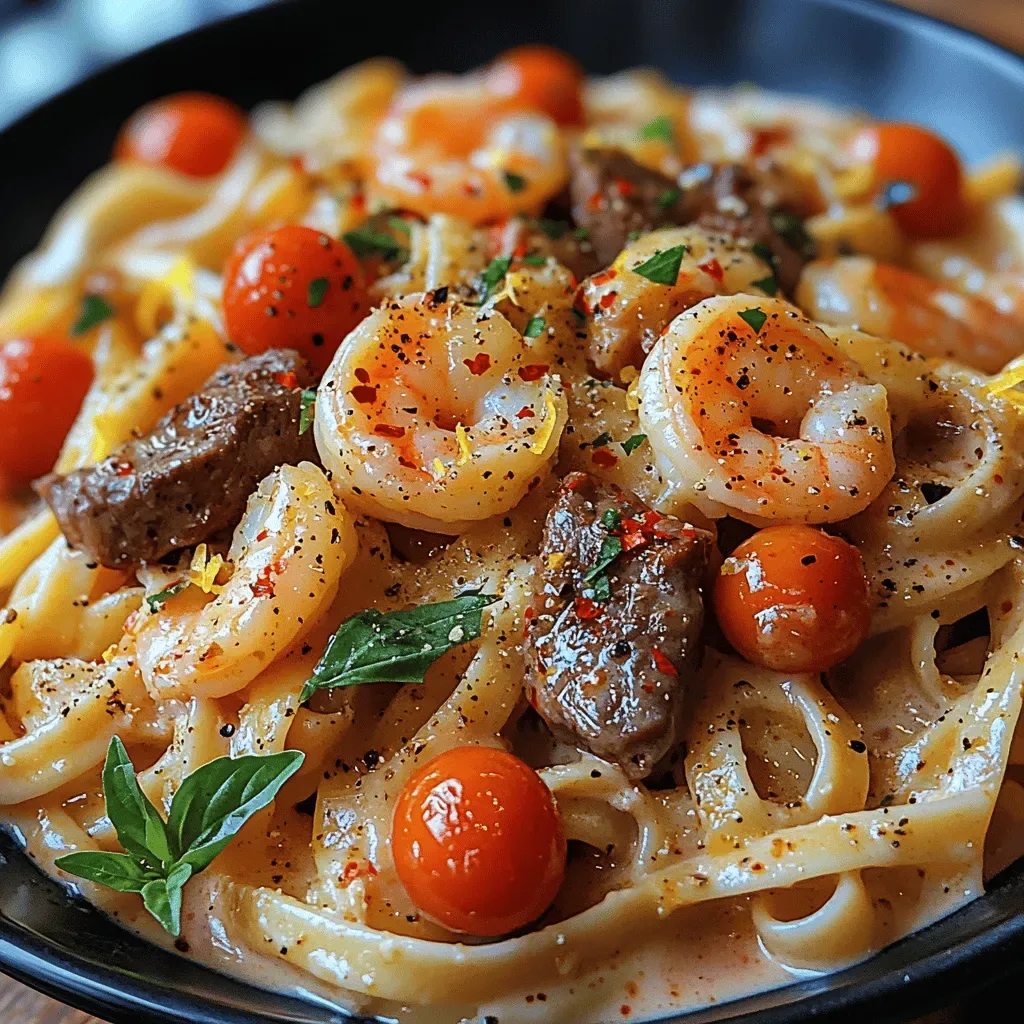
It was a breezy Saturday morning in early April, the kind of day when the garden is buzzing with the first whispers of new growth. I remember stepping out onto the patio, inhaling the sweet scent of fresh earth mingled with the faint perfume of blooming lilacs. As the sunlight filtered through the budding branches, I felt an irresistible urge to bring those vivid, green flavors straight into the kitchen. That moment sparked the idea for a dish that would capture the very essence of spring on a plate – a bright, lively pasta that sings with asparagus, peas, and cherry tomatoes.
When I first tossed the pasta with a splash of olive oil, the garlic sizzled and released an aroma that reminded me of a Mediterranean market stall. The peas popped open like tiny green fireworks, and the asparagus kept its crisp snap, refusing to surrender to mushiness. The cherry tomatoes, when they hit the heat, softened just enough to release a burst of sunshine‑yellow sweetness that coated each strand of pasta. I could almost hear the clink of forks and the delighted murmurs of my family as they gathered around the table, eyes wide with anticipation.
What makes this recipe truly special is its ability to transform simple, seasonal vegetables into a celebration of color, texture, and flavor. It’s not just a meal; it’s a reminder that spring is a time for renewal, for fresh starts, and for gathering loved ones around a table that feels alive. The dish is quick enough for a weeknight, yet elegant enough to impress guests at a weekend brunch. And the best part? It’s a canvas you can paint with your own culinary imagination, swapping in herbs, cheeses, or even a splash of lemon for extra zing.
But wait—there’s a secret trick hidden in step four that will take your pasta from delicious to unforgettable. Trust me, you’ll want to bookmark this page and come back for that one extra boost of flavor. Ready to dive in? Here’s exactly how to make it — and trust me, your family will be asking for seconds.
🌟 Why This Recipe Works
- Flavor Depth: The combination of garlic, olive oil, and fresh vegetables creates layers of taste that develop as the sauce gently simmers. Each bite delivers a harmonious balance of sweet, salty, and earthy notes, making the dish feel both comforting and vibrant.
- Texture Contrast: Crisp-tender asparagus and pop‑popping peas add a satisfying crunch that contrasts beautifully with the silky pasta. This textural interplay keeps the palate engaged from the first forkful to the last.
- Ease of Preparation: With just a handful of ingredients and a single skillet, the recipe streamlines the cooking process without sacrificing flavor. You’ll have a dinner‑ready plate in under an hour, perfect for busy evenings.
- Time Efficiency: While the pasta cooks, the vegetables sauté simultaneously, ensuring there’s no idle waiting. This synchronized timing maximizes flavor extraction while minimizing kitchen chaos.
- Versatility: The base is intentionally simple, inviting you to customize with herbs, cheeses, or proteins. Whether you’re feeding a vegetarian crowd or adding grilled chicken for a heartier meal, the dish adapts effortlessly.
- Nutrition Boost: Asparagus and peas pack a punch of vitamins A, C, and K, plus fiber that supports digestion. Pairing them with whole‑grain pasta (if you choose) turns this into a balanced, nutrient‑dense entrée.
- Ingredient Quality: Because the recipe relies on fresh, seasonal produce, the natural flavors shine without needing heavy sauces or excess seasoning. High‑quality olive oil further elevates the dish, delivering a silky mouthfeel.
- Crowd‑Pleasing Factor: Even picky eaters are drawn to the bright colors and familiar pasta base. The subtle garlic and parmesan (if used) provide just enough familiar comfort to win over the toughest critics.
🥗 Ingredients Breakdown
The Foundation: Pasta & Olive Oil
200g pasta: Any type you love—spaghetti, penne, or even gluten‑free. The key is to choose a shape that holds onto the sauce, ensuring every bite is coated with the buttery olive oil and vegetable juices. If you opt for whole‑wheat or legume‑based pasta, you’ll add extra fiber and protein, making the dish even more satisfying. Tip: Cook the pasta al dente; it will continue to absorb flavors during the final toss.
2 tablespoons olive oil: A good quality extra‑virgin olive oil is the heart of this dish, delivering a fruity, peppery undertone that lifts the vegetables. When you heat it gently, it releases aromatic compounds that infuse the garlic and veggies with depth. For a smoky twist, try a drizzle of smoked olive oil just before serving.
Aromatics & Spices: Garlic, Salt & Pepper
2 cloves garlic, minced: Fresh garlic brings a wonderful aroma and depth to the dish. Mince it finely so it distributes evenly, creating a subtle background note that never overwhelms the delicate vegetables. If you love a stronger garlic punch, add a second clove at the end of cooking for a burst of flavor.
Salt to taste & Pepper to taste: These basic seasonings are the unsung heroes, enhancing the natural sweetness of the peas and tomatoes. Use sea salt for a clean finish, and freshly cracked black pepper for a gentle heat that awakens the palate. Remember, you can always adjust later, but it’s easier to add than to fix over‑seasoning.
The Secret Weapons: Asparagus, Peas & Cherry Tomatoes
1 cup asparagus, chopped: Fresh asparagus adds a lovely crunch and springtime flavor. Trim the tough ends before chopping; the tender stalks will stay bright green and retain their snap when quickly sautéed. If you can’t find asparagus, try broccolini or green beans for a similar texture.
1 cup peas: Sweet and vibrant! You can use fresh or frozen peas; both work beautifully in this dish. Fresh peas give a buttery texture, while frozen peas are a convenient pantry staple that still burst with sweetness after a quick thaw.
1 cup cherry tomatoes, halved: These little gems burst with sweetness and color. Feel free to mix in different varieties—yellow, orange, or even black cherry tomatoes—to add visual interest and nuanced flavor notes.
Finishing Touches: Parmesan & Optional Extras
Parmesan cheese, grated (optional): A sprinkle of Parm takes this dish to the next level, adding a salty, nutty richness that binds the ingredients together. If you’re keeping the meal vegan, a generous dusting of nutritional yeast provides a similar umami punch without dairy.
Optional herbs: Fresh basil, mint, or flat‑leaf parsley can be torn and tossed in at the end for a fragrant finish. Each herb brings its own personality—basil adds sweet earthiness, mint offers a cool contrast, while parsley contributes bright, grassy notes.
With your ingredients prepped and ready, let's get cooking. Here's where the fun really begins...
🍳 Step-by-Step Instructions
-
Bring a large pot of salted water to a rolling boil. Add the 200g of pasta and stir gently to prevent sticking. Cook the pasta for about 9‑10 minutes, or until it reaches al dente—a firm bite that will hold up when tossed with the vegetables. Before draining, reserve a cup of the starchy cooking water; this will be your secret weapon for a silky sauce later.
-
While the pasta cooks, heat 2 tablespoons of olive oil in a wide skillet over medium heat. Once the oil shimmers, add the minced garlic and sauté for 30 seconds, just until it turns fragrant and golden, but not browned. This is the moment the kitchen fills with that irresistible garlic perfume that makes everyone peek over the stove.
-
Add the chopped asparagus to the skillet, spreading it out in an even layer. Sauté for 3‑4 minutes, stirring occasionally, until the spears turn bright green and retain a slight crunch. If you like a bit more tenderness, cover the pan for a minute to steam the asparagus gently, then uncover to let any excess moisture evaporate.
💡 Pro Tip: Sprinkle a pinch of sea salt on the asparagus as it cooks; this draws out moisture and intensifies its natural sweetness. -
Now toss in the peas and halved cherry tomatoes. Stir everything together, allowing the peas to turn a vivid green and the tomatoes to soften, releasing their juices. Cook for another 2‑3 minutes, watching the colors meld into a beautiful spring palette. Here’s the secret trick: add a splash of the reserved pasta water now, which helps create a light, glossy coating that clings to every vegetable.
⚠️ Common Mistake: Overcrowding the pan can cause the vegetables to steam rather than sauté, leading to a soggy texture. Keep the heat medium‑high and give each ingredient room to breathe. -
Drain the pasta and immediately add it to the skillet, tossing it with the vegetable mixture. Drizzle in a bit more olive oil if the pan looks dry, and sprinkle a generous pinch of freshly cracked black pepper. The residual heat will finish cooking the pasta, allowing it to absorb the flavors of the vegetables and the garlic‑infused oil.
-
Season with salt to taste, then stir in the grated Parmesan cheese if you’re using it. The cheese will melt into the warm pasta, creating a velvety sauce that binds everything together. For a vegan version, swap the Parmesan for nutritional yeast and enjoy the same cheesy depth.
💡 Pro Tip: Add the cheese off the heat to prevent it from clumping, ensuring a smooth, glossy finish. -
Give the pasta a final toss, then remove the skillet from the flame. Let it rest for a minute—this pause lets the flavors meld and the sauce thicken just enough to coat each strand perfectly. Taste and adjust seasoning if needed; a final crack of pepper can brighten the dish just before serving.
-
Serve the spring vegetable pasta hot, directly from the skillet or transferred to a warmed serving bowl. Garnish with an extra sprinkle of Parmesan, a drizzle of olive oil, or a handful of fresh herbs for a pop of color. Go ahead, take a taste — you’ll know exactly when it’s right.
And there you have it! But before you dig in, let me share some tips that will take this from great to absolutely unforgettable...
🔐 Expert Tips for Perfect Results
The Taste Test Trick
Before you finish cooking, scoop a small spoonful of the pasta onto a plate and let it cool for a moment. This pause allows your palate to register the balance of salt, pepper, and acidity. If the flavors feel a little flat, a pinch more salt or a splash of lemon juice can instantly revive the dish. I’ve found that this tiny tasting ritual saves a lot of “oops” moments later.
Why Resting Time Matters More Than You Think
After you toss the pasta with the vegetables, let it sit for two minutes off the heat. This resting period lets the starches from the pasta absorb the remaining sauce, creating a cohesive coating that feels luxurious on the tongue. I once served the dish immediately and noticed the sauce was a bit thin; after learning this tip, the pasta now feels perfectly glossy every time.
The Seasoning Secret Pros Won’t Tell You
A dash of smoked paprika or a pinch of crushed red pepper flakes can add a subtle depth that elevates the entire dish without overpowering the spring vegetables. The key is to use these spices sparingly—just enough to hint at complexity. When I experimented with a whisper of smoked paprika, the dish took on a warm, earthy undertone that surprised my family in the best way.
The Pasta Water Miracle
Never underestimate the power of the starchy pasta water you set aside. Adding a few tablespoons at a time while tossing creates a silky emulsion that binds the oil, cheese, and veggies together. If you find the sauce looking dry, keep a splash of water handy and stir it in gradually. This technique is the difference between a dry pasta and a restaurant‑quality coating.
Herb Timing: When to Add Fresh Greens
Fresh herbs like basil or parsley should be added at the very end of cooking, just before serving. Their volatile oils are delicate and can evaporate quickly if exposed to high heat for too long. Toss them in gently, allowing the residual heat to release their aroma without wilting them completely. I once added basil too early and missed out on that bright burst of flavor.
🌈 Delicious Variations to Try
One of my favorite things about this recipe is how versatile it is. Here are some twists I've tried and loved:
Lemon‑Zest Primavera
Add the zest of one lemon and a squeeze of fresh lemon juice right before serving. The citrus lifts the earthy vegetables, creating a bright, summery flavor profile that feels like a garden in a bowl. Pair it with a light white wine for a refreshing meal.
Creamy Avocado Twist
Blend a ripe avocado with a splash of the reserved pasta water, a pinch of garlic, and a drizzle of olive oil to create a silky, dairy‑free sauce. Toss the pasta in this emerald cream for a velvety texture and a subtle buttery taste that complements the peas and asparagus beautifully.
Spicy Sriracha Kick
Stir in a teaspoon of Sriracha or your favorite hot sauce during the final toss. The gentle heat adds excitement without overwhelming the delicate spring flavors. Top with toasted sesame seeds for an Asian‑inspired twist.
Mushroom‑Infused Earthiness
Sauté a cup of sliced cremini or shiitake mushrooms alongside the asparagus for an earthy depth. The mushrooms absorb the garlic‑olive oil mixture, creating a richer, umami‑laden base that pairs wonderfully with the sweet peas.
Protein‑Packed Add‑On
Grill or pan‑sear chicken breast, shrimp, or tofu cubes and fold them into the pasta at the end. The added protein turns this side dish into a complete main course, perfect for feeding a hungry crowd or meal‑prepping for the week.
Herb‑Infused Pesto Finale
Swap the olive oil for a spoonful of fresh basil pesto, or swirl in a few teaspoons of arugula pesto for a peppery punch. The pesto coats the pasta in a fragrant, herbaceous veil that deepens the spring vibe.
📦 Storage & Reheating Tips
Refrigerator Storage
Allow the pasta to cool to room temperature, then transfer it to an airtight container. It will keep beautifully for up to three days. To prevent the pasta from drying out, drizzle a teaspoon of olive oil over the top before sealing.
Freezing Instructions
Portion the pasta into freezer‑safe bags or containers, removing as much air as possible. Freeze for up to two months. When you’re ready to enjoy it, thaw overnight in the refrigerator, then reheat gently on the stovetop with a splash of water or broth to restore moisture.
Reheating Methods
For stovetop reheating, add a tablespoon of olive oil or a splash of vegetable broth to a skillet over medium heat, then toss the pasta until warmed through and glossy. In the microwave, cover the bowl with a damp paper towel and heat in 30‑second intervals, stirring in between. The trick to reheating without drying it out? A splash of pasta water or broth, just enough to bring back that silky coating.